

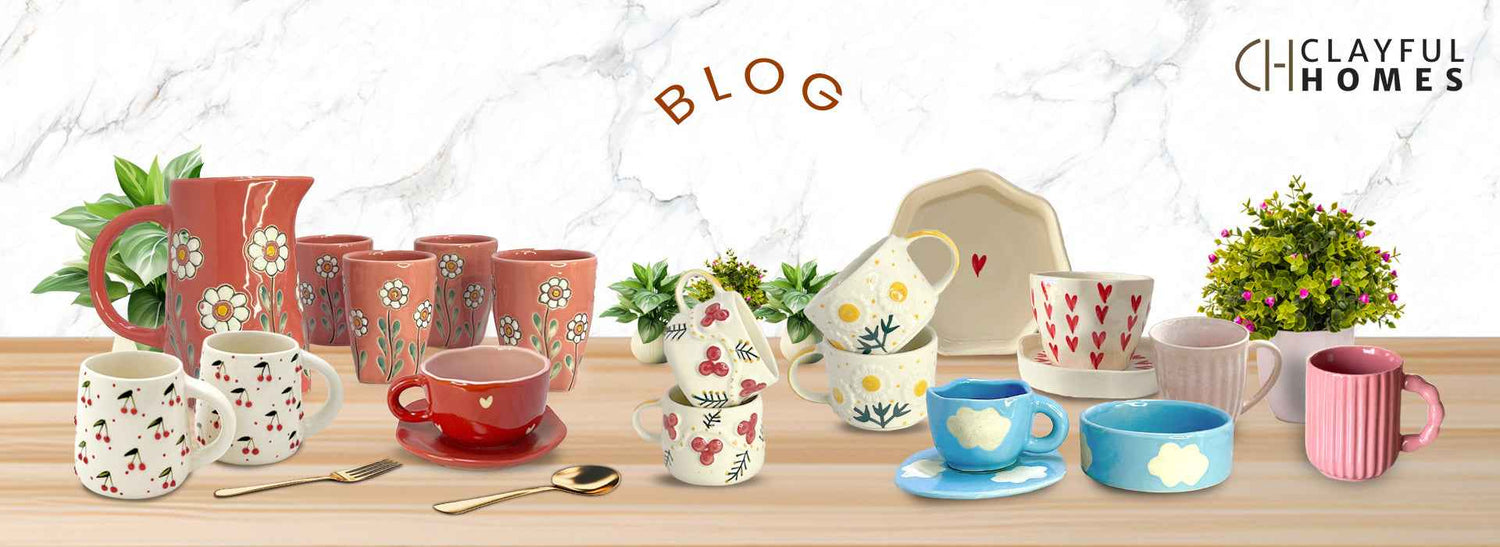
Diwali is one of the best occasions to make the dining table feel special without turning the entire home into a formal display. A thoughtful table setting can make an everyday meal feel festive, give guests a more welcoming place to sit, and help you use the crockery you already own in a more intentional way.
If you are planning a Diwali dinner, family gathering, card night or festive lunch in an Indian home, the easiest approach is to build the table in layers: start with the dinnerware, add practical serving pieces, then finish with a few visual accents. Ceramic pieces work especially well for this because they can move from everyday meals to hosting without requiring a complicated setup.
1. Start with the number of people you are actually serving
Before buying or arranging anything, decide how many people will sit at the table. For a small family meal, a compact dinner set can keep the table comfortable. For a larger Diwali gathering, serving platters and bowls can do more of the work so that individual place settings stay uncluttered.
Clayful Homes has ceramic dinner sets for shoppers who want to build a coordinated table, while the broader ceramic crockery collection can help you mix individual pieces.
2. Build a practical place setting
A useful place setting does not need every possible piece of crockery. A dinner plate is the anchor. Depending on the menu, add a quarter plate, bowl and glass. Keep cutlery aligned neatly and leave enough space between settings for guests to eat comfortably.
For a coordinated look, the Marble White & Blue Ceramic Dinner Set – 12 Piece is currently active with available inventory. Its neutral white-and-blue look can work with both simple and colourful festive table accents.

3. Use serving platters to keep the table organised
Indian festive meals often include several dishes, snacks and sweets. Instead of placing every serving bowl directly in front of guests, group shared food on one or two serving pieces. This keeps the table easier to navigate and creates a stronger visual centre.
For snacks and appetisers, consider an Antique Snacks Platter or Leaf Snacks Platter. Both are currently active and in stock, so they can be used as real product options rather than generic styling suggestions.

4. Add colour without making the table feel crowded
Festive Indian decor can be colourful, but the table does not have to use every colour at once. Choose one base colour and one or two supporting accents. For example, a white dinner set can be paired with warm yellow flowers, green leaves, brass-toned accents or colourful serving pieces.
If your table already has several decorative elements, keep the dinnerware quieter. If the room is neutral, a brighter serving piece can become the focal point.
The Orange Platter is an active product with available inventory and can add a warm accent when the rest of the table is restrained.

5. Make the centre of the table useful
A centrepiece should not block conversation or make serving difficult. Instead of a tall arrangement, use a low decorative cluster: a few flowers, a small bowl, a platter of snacks or a compact festive accent. Keep the centre open enough for people across the table to see one another.
If you want the centrepiece itself to be functional, the Leaf Plate can work as a serving accent for small snacks or sweets. It is currently active with available inventory.

6. Choose glassware and mugs based on the occasion
Not every Diwali meal needs formal glassware. If you are hosting a relaxed evening with tea, coffee or dessert, coordinated mugs can make the table feel more personal. Clayful Homes' ceramic coffee mug collection includes several styles that can be mixed with dinnerware.
The Cloud Ceramic Mug & Saucer – 200ml is currently available and is a practical option for serving tea or coffee after a festive meal.

7. Create a snack station for larger Diwali gatherings
If you are expecting several guests, a separate snack or tea station can reduce traffic around the dining table. Use one surface for cups, a teapot, snacks and serving utensils. Guests can help themselves while the main dining table remains ready for the meal.
A useful option is the Antique Green Teapot Set, which is currently active and in stock. Pair it with a serving platter and a few mugs rather than trying to place every item on the main table.
8. Keep festive styling practical for Indian homes
Good table styling should survive real use. Leave room for serving spoons, water, condiments and dishes that need to be replenished. Avoid placing decorative objects where they will be moved repeatedly. If children are joining the meal, keep fragile or sharp decorative pieces away from the edge of the table.
It is also useful to think about what happens after the meal. Choose a setup that can be cleared quickly and keep serving pieces grouped together. A beautiful table that is difficult to use becomes inconvenient during a busy celebration.
9. Match the table setting to the menu
The menu should influence the crockery. A meal with dal, sabzi, rice and roti benefits from bowls and a practical dinner plate. A snack-focused evening needs more platters and smaller plates. A tea-and-dessert gathering can rely more heavily on mugs, saucers and small serving pieces.
This is why buying dinnerware by use case can be more practical than choosing pieces only by appearance. For example, Clayful Homes' ceramic soup bowl collection can support menus that include soups, gravies or other bowl-served dishes.
10. A simple Diwali table formula
If you want a repeatable setup, use this five-step formula:
- Place the dinner plate at each seat.
- Add the bowl or quarter plate according to the menu.
- Keep shared dishes on one or two serving platters.
- Add one restrained centre accent.
- Finish with glasses or mugs based on what you are serving.
The result is a table that feels festive without becoming overdecorated. More importantly, every piece has a purpose.
How to choose ceramic dinnerware for Diwali
When shopping for ceramic dinnerware, look beyond the colour alone. Consider the number of pieces, the size of plates and bowls, the types of meals you normally serve, and whether the design can work beyond the festival season. A versatile dinner set can be used for regular family meals, weekend hosting and future celebrations instead of sitting unused after Diwali.
For shoppers building a complete table from individual pieces, browse ceramic dinner sets, ceramic serving platters, snack plates and serving bowls to compare practical options.
FAQs
What should I put on a Diwali dining table?
Start with dinner plates and add bowls, quarter plates, serving platters and glassware according to the menu. Keep the centrepiece low and practical.
How many pieces do I need in a ceramic dinner set?
It depends on the number of people and the meals you serve. A smaller household can use a compact set, while larger families may benefit from a larger dinner set or a mix of dinnerware and serving pieces. For more guidance, see our ceramic dinner set size guide.
Can ceramic dinnerware be used for everyday meals?
Many ceramic dinnerware pieces are designed for regular use, but customers should always follow the care, microwave, dishwasher and temperature guidance provided for the specific product.
How can I make a small dining table look festive?
Use fewer pieces, choose one serving platter as a focal point, keep the centre low and introduce colour through a small number of accents rather than covering the entire table.
Final thought
The best Diwali table is not the one with the most decoration. It is the one that feels welcoming, works comfortably for the people sitting around it and makes the food look inviting. Start with practical ceramic dinnerware, add serving pieces where they genuinely help, and then finish with a few festive details that suit your home.
For more ideas, explore the Clayful Homes best sellers and browse the latest new arrivals for pieces that can move from festive hosting into everyday use.


