

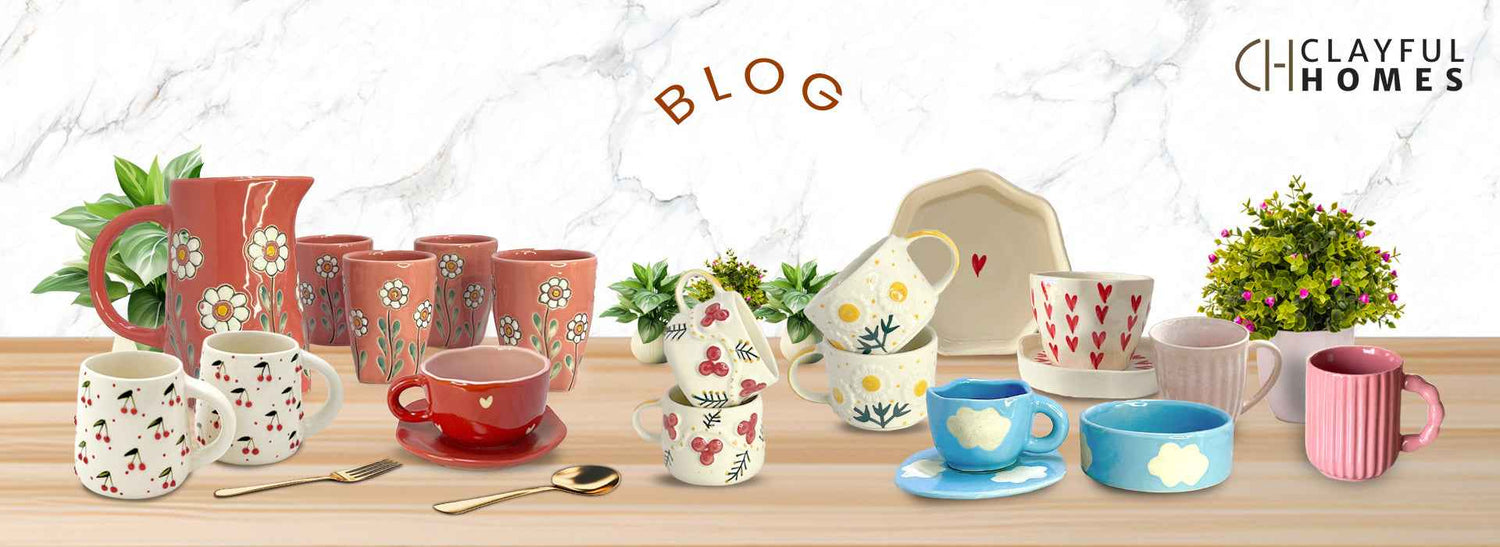
Choosing a ceramic dinner set is not only about how beautiful the patterns look on the table. The right number of pieces should match the number of people in your home, the way you serve everyday meals and how often you host family or guests. A set that is too small can leave you short of plates and bowls, while a very large set can take up valuable kitchen storage space.
This ceramic dinner set size guide explains how to plan dinnerware for 2, 4, 6 and 8 people. It also covers dinner plates, quarter plates, bowls, serving pieces and the practical differences between an everyday setup and a hosting setup. If you are shopping for ceramic dinner sets in India, use this guide before choosing a set.
How many pieces should a ceramic dinner set have?
There is no single perfect piece count for every household. A useful starting point is to have at least one main plate and one bowl per person, then add smaller plates and serving pieces according to your meals. Indian homes often need more flexibility because one meal can include roti, rice, dal, vegetables, snacks, desserts and shared dishes.
For everyday use, think about your most common meals first. For entertaining, add a little extra capacity so you do not have to wash dishes between courses or guests.
Ceramic dinner set for 2 people
A two-person home can usually start with two main dinner plates, two bowls and two smaller plates. If you frequently serve snacks, desserts or starters separately, having four smaller plates gives you more flexibility.
- 2 dinner plates
- 2 bowls
- 2 quarter or snack plates
- 2 extra small plates for desserts or starters if space allows
- 1 to 2 serving platters or bowls for shared dishes
A compact setup is especially useful for couples and smaller kitchens. Instead of buying a very large dinner set, you can build a practical collection by combining a ceramic drinkware collection with dinner plates, bowls and serveware.
Ceramic dinner set for 4 people
For a family of four, four dinner plates and four bowls are the basic foundation. Add four quarter plates or snack plates for bread, starters, salads or desserts. If you regularly host parents, siblings or friends, choosing six-piece or larger tableware sets can give you useful backup pieces.
- 4 dinner plates
- 4 bowls
- 4 quarter or snack plates
- 2 to 3 serving platters or serving bowls
- Optional extra plates for guests
A four-person setup works well as an everyday ceramic dinnerware collection because the core pieces can be used for breakfast, lunch and dinner while the smaller plates support snacks and dessert.
Ceramic dinner set for 6 people
Six-person households or homes that regularly entertain should look for a more complete setup. Six main plates and six bowls cover the basic place settings, while six quarter plates make serving starters, breads and desserts easier.
For a six-person table, shared serving ware becomes more important. A long ceramic serving platter can be useful for snacks and starters, while deeper serving bowls work well for curries, dal, rice or salads.

Serving tip: Place shared dishes where everyone can reach them instead of putting every dish in front of one person. A ceramic serving platter can make the table more organised while also adding visual interest.
Ceramic dinner set for 8 people
For eight people, plan beyond the basic place settings. Eight dinner plates, eight bowls and eight smaller plates provide a strong starting point. If you entertain frequently, ten or twelve pieces of frequently used plate styles can be even more practical because a few spare pieces are useful when something is being washed or when an unexpected guest arrives.
- 8 dinner plates
- 8 bowls
- 8 quarter or snack plates
- 3 to 5 serving pieces depending on the menu
- Extra plates or bowls if you regularly host guests
Large households should also think about storage before buying. A coordinated ceramic dinnerware collection looks attractive, but stacking height and shelf width matter in real kitchens.
Dinner plate vs quarter plate: what is the difference?
The dinner plate is generally the main plate used for a complete meal. A quarter plate is smaller and is useful for bread, starters, snacks, desserts or side portions. Keeping both sizes gives an Indian table more flexibility because different foods are often served together.
If your home regularly serves tea-time snacks, starters or desserts, do not underestimate the value of smaller plates. They can also reduce the need to place every item on the main dinner plate.
Browse ceramic snack plates when you want smaller pieces for tea time, starters and desserts.
How many ceramic bowls do you need?
Bowls are particularly useful in Indian meals because dal, curry, raita, soup, rice dishes and desserts can all benefit from separate serving. A simple rule is to keep at least one everyday bowl per person and add extra bowls if your meals usually contain several liquid or semi-liquid dishes.
For a family of four, four bowls is the minimum practical starting point. Six to eight bowls provide more flexibility for guests and meals with multiple dishes.

For example, Clayful Homes offers hand-painted ceramic soup bowls with spoons, which can work for soup and other bowl-friendly meals.
Everyday dinnerware vs entertaining dinnerware
Everyday dinnerware should be easy to use, easy to store and suitable for the foods your household actually eats. Entertaining dinnerware can be more decorative and can include additional serving platters, dip bowls and specialty pieces.
You do not necessarily need two completely separate collections. A practical approach is to buy durable everyday plates and bowls, then add distinctive serving pieces that can also be used when guests arrive.
What to check before buying ceramic dinnerware online in India
- Piece count: Check exactly how many dinner plates, bowls and smaller plates are included.
- Dimensions: Look at plate and bowl measurements instead of relying only on the word “large” or “medium”.
- Kitchen storage: Consider shelf depth and stacking space.
- Use case: Choose pieces based on everyday meals, snacks, desserts and hosting needs.
- Design consistency: Decide whether you want a matching dinner set or a mix-and-match ceramic table setting.
- Care information: Always check the product's stated care and usage instructions before purchase.
Should you buy one complete dinner set or build your collection?
A complete ceramic dinner set is convenient when you want matching pieces quickly. Building a collection individually can be better when your household has specific needs, such as more bowls than plates or extra snack plates for tea time.
For many Indian homes, the best solution is a combination: start with enough main plates and bowls for the household, then add quarter plates, snack plates and serving platters based on actual meal habits.
A practical ceramic tableware checklist
Before placing an order, ask yourself: How many people eat at home every day? How often do guests visit? Do you serve snacks separately? Do you use bowls for dal, curry, soup or desserts? How much cupboard space is available? Answering these questions will usually give you a better dinnerware setup than choosing a set only because it has a high piece count.
Explore Clayful Homes' ceramic dinner sets and combine them with ceramic serving platters, snack plates and bowls to create a tableware collection that works for everyday meals as well as guests.
Final takeaway
For two people, a compact collection can be enough. For four, six or eight people, scale the number of dinner plates and bowls with the household size, then add smaller plates and serving pieces according to your menu and hosting habits. The goal is not simply to buy the largest dinner set available. The goal is to build a practical ceramic tableware collection that fits your kitchen, your meals and the way you actually live.


