

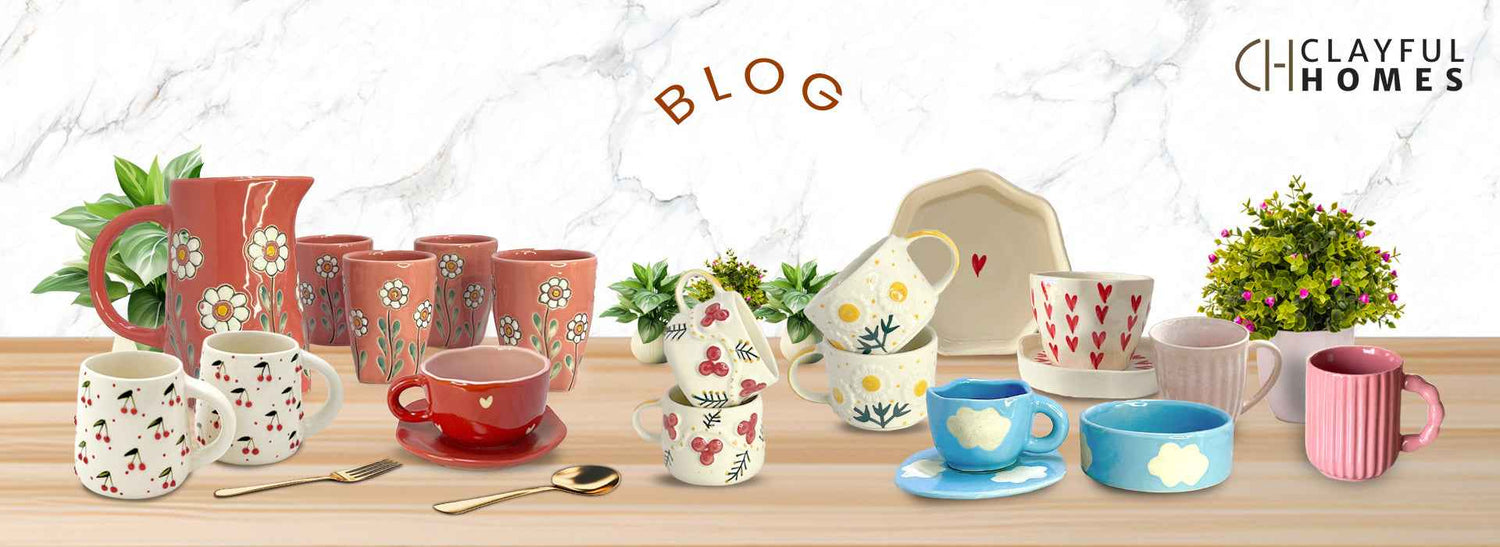
A serving platter becomes the centre of a table when family or friends gather for a meal. For Indian hosting, one platter may carry starters, kebabs, snacks, sweets or shared dishes, so choosing the right shape and size is about more than appearance. The best platter should fit the food, the table and the way you serve.
Start with the food you serve
Before choosing a platter, think about your most common hosting menu. Long platters are useful for kebabs, sandwiches and elongated starters. Wider platters can work for snacks, desserts or several small portions arranged together. A platter with integrated dip bowls can reduce the need for separate condiment dishes and make a starter course easier to serve.
Why size matters
A large platter can look impressive but may be awkward on a smaller dining table. A smaller platter is easier to carry and can be used more frequently. Check the listed dimensions rather than relying on product photographs because perspective can make a platter look larger or smaller than it really is.
Round, rectangular or organic shapes?
Round platters work naturally in the middle of a table. Rectangular and elongated shapes can create a strong presentation for starters and snacks. Organic or hand-painted shapes add visual interest and can make a simple spread feel more curated. Choose a shape that complements your existing dinnerware rather than trying to match every piece exactly.
Use platters for more than starters
A ceramic platter can move between different meals. Use it for pakoras at tea time, kebabs during dinner, fruit at breakfast or desserts after a meal. This flexibility makes a well-chosen platter more valuable than a piece that is reserved for one annual occasion.
Create a simple hosting setup
For a practical table, place the main shared platter in an easy-to-reach position. Add small bowls for chutneys or dips and use snack plates for individual portions. A ceramic mug or cup can complete a tea-time setup when the meal is informal. The goal is to create clear serving zones so guests can help themselves without crowding the table.
Clayful Homes currently has an active Blue ceramic serving platter with two dip bowls. It can be paired with the Blue Moroccan chutney and dip bowl set when you want extra condiments.
Match the platter to the table
If your dinnerware is colourful, a neutral platter can provide balance. If your plates are simple, a hand-painted platter can become the decorative focal point. You can also mix patterns when the colours share one or two common tones. This gives the table a collected look instead of a catalogue-like appearance.
Serving platters for Indian snacks
Tea-time hosting often involves several small foods rather than one main dish. Use a platter for sandwiches, cutlets, pakoras, cookies or fruit and keep chutney, ketchup or dips in small bowls. For larger gatherings, two medium platters can be easier to handle than one very large piece.
Serving platters for festive meals
Festive tables can become crowded quickly. Plan the placement before guests arrive. Shared starters can sit on one side, main accompaniments in the centre and individual bowls or plates around them. If you are using several ceramic pieces, leave enough space for serving spoons and for guests to reach the food comfortably.
What to check before buying
- Exact length, width and height.
- Whether dip bowls are included.
- Material and finish.
- Intended food use and care instructions.
- Whether the shape fits your storage space.
- Whether the design works with your existing tableware.
Storage matters too
A platter should be practical after the meal. Check where it will live when not in use. Flat platters can often be stored vertically with suitable protection, while pieces with raised shapes may need more shelf space. Avoid stacking delicate hand-painted pieces without considering the finish.
Cleaning and handling
Use the care instructions supplied with the product. Ceramic can be durable, but edges and decorative finishes still deserve careful handling. Do not assume that every ceramic product has identical dishwasher, microwave or oven suitability. Verify the individual listing before using an appliance.
Final takeaway
The right ceramic serving platter makes hosting easier because it combines presentation with practical serving. Choose based on the food you serve, the dimensions of your table and the storage space available at home. Then build around the platter with dip bowls, snack plates and other ceramic pieces. A small, versatile serving collection is often more useful than a large collection of rarely used specialty pieces.


