

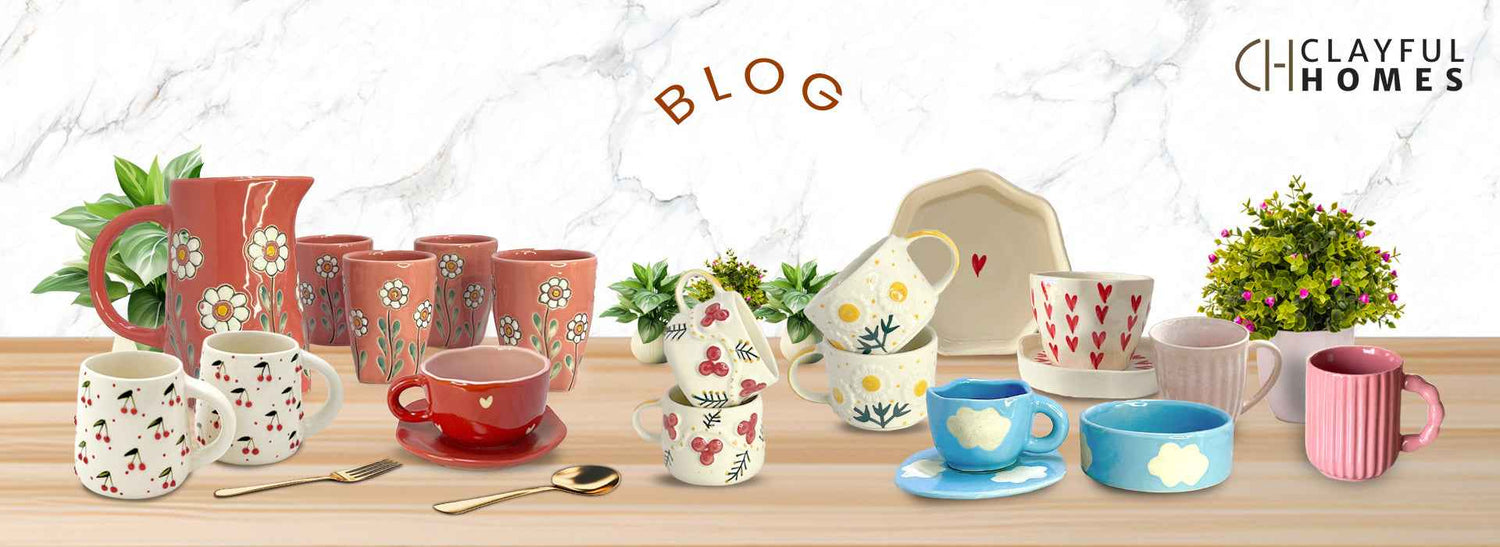
Tea time is one of the easiest moments to turn into a welcoming table ritual. A cup of chai, coffee or green tea can feel much more considered when snacks are served on a proper ceramic plate instead of directly from packets. Ceramic snack plates also work beyond tea time: they can hold starters, biscuits, fruit, sweets, toast, nuts, sandwiches and small desserts. The goal is not to create a complicated table. It is to give every food a clear place and make serving easier.
Clayful Homes offers Snack Plates Online for households that want practical ceramic pieces with decorative appeal. A versatile option such as the Leaf Plate can become an everyday snack plate, while matching it with mugs, bowls and serving pieces can create a coordinated setting.
Choose a plate around the food you serve
Start with your usual menu. If tea time normally includes biscuits, cookies and small sweets, a compact plate is enough. If you serve samosas, sandwiches, cutlets or several starters, a wider surface gives each item room. For desserts, a smaller plate can make individual portions look neat without taking over the table.
Food should remain easy to pick up. Avoid selecting a plate only because it looks attractive in a photograph. The most useful ceramic snack plate is one that fits your food, your serving style and your available table space.
Use snack plates for more than tea
A good ceramic snack plate should earn its place in the kitchen. Use it for morning toast, afternoon fruit, evening namkeen, chocolates after dinner or a small dessert. It can also be useful for serving a few starters before a family meal.
Because the plate has several possible uses, you do not need a separate piece for every occasion. A small collection of versatile plates can cover much of the day.
Create a simple tea time setup
A practical tea table can be built with four basic elements: mugs, a teapot or serving pot, snack plates and a tray. Clayful Homes has Ceramic Coffee Mugs and a Teapot Set and Tea Set collection that can be combined with snack plates.
Keep the teapot or serving pot toward the back of the tray. Place mugs where handles are easy to reach and use one or two snack plates in the front. For a larger group, move the setup to the dining table so guests have more space.
Choose a color that supports your existing tableware
Snack plates do not have to match the dinner set exactly. Repeating one color is often enough. Blue ceramics can connect with blue mugs or serving bowls. Green can work with wood and neutral table linen. White or cream pieces can provide a calm base for colorful food.
If your dinnerware already has strong patterns, choose a simpler plate. If the rest of the table is plain, a patterned ceramic snack plate can become the visual accent.
Use several plates for different foods
When serving guests, separate sweet and savory foods where possible. One plate can hold biscuits or sweets while another carries namkeen or fried snacks. A third plate can be reserved for fruit or dessert. This makes the table easier to understand and prevents different flavors from mixing.
Several medium plates are often more practical than one very large plate. Guests can reach different foods from different sides of the table, and you can refill one plate without disturbing the rest of the setup.
How many snack plates do you need?
For one or two people, two to four plates may cover everyday use. Families may prefer four to six. If you entertain often, a larger coordinated set can reduce the need to mix unrelated tableware.
Do not buy more pieces than your storage space can handle. Ceramic plates are most useful when they are easy to reach and simple to put away after washing.
Combine snack plates with serving bowls
Tea time often includes foods with different textures. Dry snacks can go on a ceramic plate while chutney, dip, nuts or a small accompaniment can go into a bowl. Explore Serving Bowls when you want to build a more flexible setup.
For larger starters or shared foods, add a ceramic platter. The Ceramic Serving Platters collection can help extend the same visual style to bigger dishes.
Use snack plates for Indian starters
Indian starters often come in small portions, which makes snack plates useful before the main meal. Samosas, pakoras, kebabs, sandwiches and small chaat portions can be arranged individually or grouped by type.
For foods served with chutney, keep the sauce in a separate small bowl. This keeps the plate tidy and lets guests choose how much accompaniment they want.
Use snack plates for desserts
A ceramic snack plate can also become a dessert plate for cake, brownies, fruit, mithai or small pastries. A simple plate can make an everyday dessert feel more deliberate.
When serving several dessert varieties, use separate plates or small sections so colors and flavors remain distinct. This is especially useful during festivals and family gatherings.
Think about storage before buying
Measure your cabinet or shelf before building a collection. Small plates can usually stack efficiently, but decorative pieces may need more space. Keep frequently used plates at an easy height and store occasional serving pieces higher or farther back.
When stacking decorative ceramics, lift pieces instead of dragging them across one another. This reduces unnecessary rubbing and helps protect painted or patterned surfaces.
Care for ceramic snack plates
Follow the care instructions supplied with each product. Ceramic finishes vary, especially when pieces are hand-painted or decorated. Wash food-contact surfaces after use and dry them before storage.
Avoid sudden extreme temperature changes and do not assume that every ceramic item is microwave, dishwasher or oven safe. Use the product-specific guidance rather than applying one rule to the entire collection.
Style a small table without making it crowded
On a compact dining table, use fewer pieces and leave clear space between them. Two snack plates, a teapot and four mugs can look more attractive than a crowded table covered with every available serving item.
Use height carefully. A teapot can sit behind lower plates, while mugs can be grouped on one side. This creates a simple visual hierarchy and leaves room for guests to reach the food.
Make the setup practical for guests
When guests arrive, place the snacks where everyone can reach them. Keep extra food in the kitchen and refill plates as needed rather than putting every packet on the table. This keeps the setting clean and gives you better control over portions.
If several guests have different preferences, use separate plates for spicy, sweet and neutral snacks. This is a small detail that can make hosting much easier.
Build a coordinated ceramic collection slowly
You do not need to buy an entire tableware collection at once. Start with snack plates, then add mugs, serving bowls and platters as your routine requires them. Choose one or two repeating colors so new pieces can work with older ones.
Clayful Homes also offers Ceramic Dinner Sets for customers who want to extend the same ceramic style into everyday meals.
Final takeaway
Ceramic snack plates are small but highly useful pieces for Indian homes. They can organize tea time, improve guest serving, separate starters, present desserts and add color to everyday meals. Choose the plate size according to your food, buy enough for your normal household and keep the design compatible with your existing tableware.
For a practical ceramic serving setup, explore Snack Plates Online, Ceramic Coffee Mugs and Serving Bowls at Clayful Homes.


