

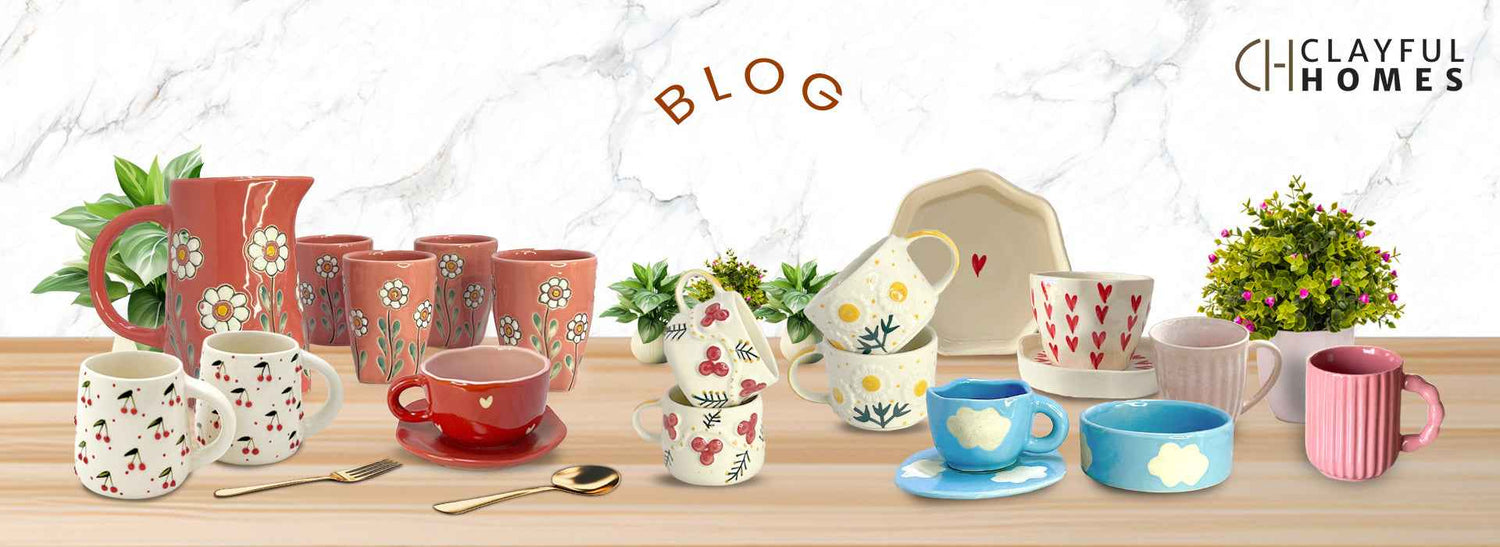
Ceramic serving platters can make everyday meals easier to serve and instantly improve presentation. They are useful for snacks, starters, desserts, salads and shared dishes, not only for formal occasions. If you are shopping for a ceramic serving platter online in India, the most useful choice depends on what you serve, how many people you host and how much space you have on the dining table.
This detailed guide explains how to choose and use ceramic serving platters for Indian homes, including long platters, divided platters, decorative shapes and versatile serving pieces. The goal is to build a small collection that gets used regularly rather than keeping serveware locked away for special occasions.
1. Match the Platter to the Food
Start with the food rather than the design. Long ceramic platters work well for elongated snacks, starters and shared foods that benefit from a neat row. Wider platters provide more room for salads, desserts or larger portions. A platter with integrated dip bowls is especially useful for snacks, kebabs, starters and appetisers.
Thinking about the food first helps you avoid buying a platter that looks attractive but has limited everyday use. Choose at least one versatile serving piece that can move between routine meals, tea-time and entertaining.
For more options, browse the Clayful Homes ceramic serving platters collection.

Blue Ceramic Serving Platter with 2 Dip Bowls – 36cm
A generous serving piece for starters, snacks and shared dishes, with two dip bowls integrated into the design.
2. Choose the Right Platter Shape
Shape affects both presentation and practicality. Long platters can create a clean presentation for starters and finger foods. Round or wider platters can be easier when several foods need to share the same surface. Leaf-shaped and sculptural designs can become a decorative centrepiece when presentation matters.
If you regularly serve several dishes at once, consider having more than one platter shape. A practical everyday platter can handle routine serving, while a statement platter can be reserved for guests or festive meals.
3. Consider Your Dining Table Size
A serving platter should fit comfortably on your table while leaving enough room for plates, bowls, glasses and other shared dishes. A very large platter can become difficult to move once filled, while a small platter may require several refills.
Measure the available serving area before buying an oversized piece. For smaller tables, a medium ceramic serving platter can be easier to place alongside bowls and other dishes. For larger gatherings, several medium platters can sometimes be more flexible than one very large piece.
4. Use Ceramic Platters for Everyday Snacks
You do not need guests to justify using a serving platter. Tea-time snacks, biscuits, sandwiches, fruit, desserts and small appetisers can all look more organised when served on dedicated ceramic serveware. Using your favourite pieces regularly also means they do not spend most of their life inside a cabinet.
For family tea-time, pair a ceramic platter with small bowls for chutney, dip or accompaniments. This creates a simple serving station without requiring a formal table setting.

Green Grey Leaf Ceramic Serving Platter – 27cm
A decorative ceramic platter for snacks, starters and everyday table presentation.
5. Serving Platters for Starters and Appetisers
Starters are often the first food placed on a table when guests arrive. A ceramic serving platter can keep kebabs, sandwiches, appetisers or small bites together and make self-serving easier. If the starter needs dips or chutneys, a platter with separate bowls can reduce the number of individual dishes.
When serving several foods, use different shapes and sizes to create visual separation. One long platter can carry the main starter while smaller bowls hold sauces and accompaniments. This keeps the table organised without making it feel formal.
6. Use Platters for Desserts and Sweets
Ceramic serving platters are also useful for desserts. Cakes, pastries, cookies, sliced fruit and Indian sweets can all be arranged on a platter. A decorative ceramic surface can make the presentation feel more special without requiring complicated decoration.
For everyday dessert, choose a platter that is easy to reach and large enough for the portions you normally serve. For parties, a wider piece can provide more presentation space.
7. Choose a Statement Design When Presentation Matters
Some platters are functional first, while others are designed to become part of the table décor. Leaf shapes, painted patterns and distinctive forms can create a focal point. These are useful for brunches, festive meals, housewarming gatherings and casual dinner parties.

Studio Green Serving Platter
A versatile ceramic serving piece for snacks, starters and casual entertaining.
8. Ceramic Serving Platters and Serving Trays
The terms platter and serving tray can overlap, but the useful distinction is how you plan to use the piece. A platter is generally chosen for presenting food directly, while a serving tray can be useful when carrying several small dishes or serving tea-time items. If presentation is your priority, choose a surface that gives food enough room. If carrying is important, consider the overall shape and handling.
9. Build a Small but Useful Serveware Collection
You do not need a large collection to host well. Start with one medium versatile platter, one larger or statement platter and a piece that can handle dips or accompaniments. Add serving bowls as your menu and hosting style develop.
This approach keeps your kitchen practical while giving you flexibility for everyday meals, tea-time and gatherings. It also lets you choose pieces that complement your existing ceramic dinnerware instead of buying a complete serveware collection at once.
10. How to Style a Ceramic Serving Platter
Presentation becomes easier when you group foods with different colours and textures. Keep some open ceramic surface visible so the platter does not look overcrowded. Arrange larger foods first, then add smaller snacks or accompaniments. For dips, use separate bowls where possible.
On a casual Indian table, place the main serving platter within comfortable reach of everyone. Combine it with ceramic bowls for chutneys, curd, dips or small accompaniments. The result can be practical and attractive without requiring a formal dining setup.
11. Choose Serveware That Works With Your Dinnerware
A serving platter does not have to perfectly match your dinner set. Look for a common colour, glaze family, pattern or shape. A distinctive platter can actually make a simple dinnerware collection feel more layered. If your plates are neutral, a patterned platter can become the accent. If the dinner set is colourful, a calmer serving piece can balance the table.
12. Quick Checklist Before Buying a Ceramic Serving Platter
- Choose the platter according to the food you serve most often.
- Check length, width and overall serving capacity.
- Consider dining-table and storage space.
- Choose long, round, wide or sculptural shapes based on use.
- Consider integrated dip bowls for starters and snacks.
- Keep at least one versatile platter for everyday use.
- Pick designs that complement your ceramic dinnerware and décor.
Explore Ceramic Serving Platters From Clayful Homes
Clayful Homes offers ceramic serving platters designed for snacks, starters, desserts, shared dishes and everyday entertaining. Explore the ceramic serving platter collection to compare available shapes and designs.
Final tip: The best serving platter is the one you will actually use. Choose a size and shape that fit your table and your food, then let the design add personality to everyday meals and hosting.


