

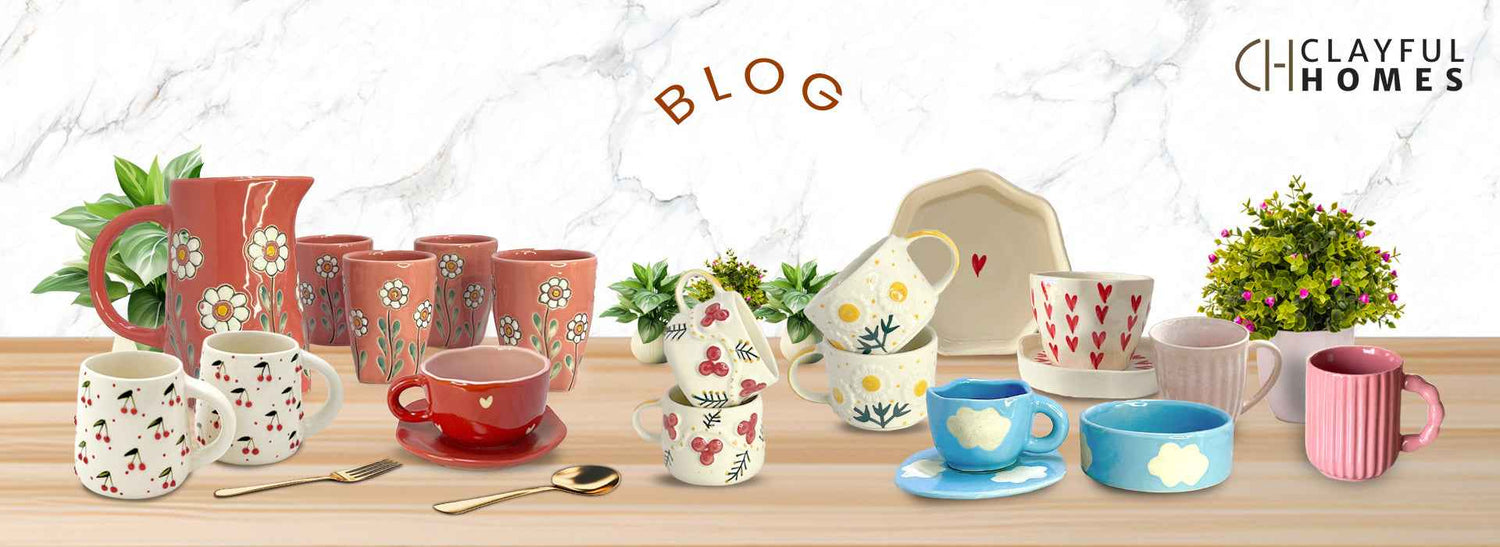
When it comes to setting up a beautiful dining table, choosing the right material matters more than most people think. The debate between ceramic vs porcelain has been going on for years, and adding bone china to the mix makes the decision even more layered.
Each material looks similar on the shelf. But once you bring it home, the differences become very clear. Whether you are shopping for daily use, festive occasions, or gifting, understanding what sets these three apart will save you money, time, and disappointment.
This guide breaks it all down in a way that is practical, easy to understand, and truly relevant for Indian households.
What Is Ceramic, Porcelain, and Bone China?
Before jumping into comparisons, it helps to understand what each material actually is. These three are related, but they are not the same.
Ceramic: The Everyday Workhorse
Ceramic is a broad category. It includes all products made from clay that are shaped and hardened through heat. Earthenware, stoneware, and even porcelain fall under this umbrella technically. However, in everyday language, when people say "ceramic," they usually mean non-porcelain clay-based dinnerware.
Ceramic dinnerware is made from natural clay, fired at lower temperatures compared to porcelain (typically between 1,800°F to 2,100°F). It is then glazed to seal the surface and make it moisture-resistant. The result is a sturdy, often thicker, heavier product that handles everyday use well.
Ceramic bowls, for example, are a staple in most Indian kitchens because of their affordability, variety of designs, and practical durability for daily meals.
Porcelain: Refined and Resilient
Porcelain is technically a type of ceramic, but it is in a class of its own. It is made from high-quality kaolin clay combined with feldspar and quartz. It is fired at much higher temperatures (around 2,300°F to 2,600°F), which makes it far denser, less porous, and significantly more durable than regular ceramic.
The result is a smooth, hard, almost glass-like surface that is thinner and lighter than standard ceramic. Porcelain has a bright white appearance and a refined finish that works equally well for casual dining and formal settings.
Ceramic vs porcelain is often where most buyers get confused. The key difference lies in the clay composition and firing temperature. Both are clay-based, but porcelain is more refined in both process and finish.
Bone China: The Luxury Category
Bone China is a type of porcelain with one key distinction: it contains bone ash, typically derived from animal bones. This bone ash (comprising around 30 to 45% of the material) is mixed with kaolin clay and feldspar before firing.
This unique composition gives bone china its characteristic milky-white translucency and feather-light feel. It is delicate in appearance but surprisingly strong. Bone china originated in 18th-century Britain and has long been associated with fine dining and luxury.
However, it comes with a few practical concerns, especially for modern Indian homes, which we will explore ahead.
Ceramic vs Porcelain vs Bone China: Quick Comparison Table
|
Feature |
Ceramic |
Porcelain |
Bone China |
|
Material |
Natural clay |
Kaolin clay + feldspar + quartz |
Kaolin + bone ash + feldspar |
|
Firing Temperature |
1,800–2,100°F |
2,300–2,600°F |
2,200–2,400°F |
|
Weight |
Heavy |
Medium to light |
Very light |
|
Durability |
Good |
Excellent |
Good (chip-prone) |
|
Microwave Safe |
Usually yes |
Usually yes |
Often no |
|
Dishwasher Safe |
Usually yes |
Yes |
Hand wash preferred |
|
Ideal Use |
Daily meals |
Daily + formal |
Special occasions |
|
Price Range |
Budget-friendly |
Mid to premium |
Premium |
|
Appearance |
Varied, earthy |
Bright white, smooth |
Milky white, translucent |
|
Best For Indian Homes? |
Daily use |
All-purpose |
Festive or gifting |
Ceramic vs Porcelain: What Is the Real Difference?
Many Indian buyers use the terms ceramic and porcelain interchangeably. They are not the same, and the difference matters when you are making a purchase decision.
When comparing ceramic vs porcelain cups side by side, here is what you will notice.
Clay Composition and Firing
Standard ceramic is made from earthen clay that is more porous. Porcelain uses a finer, purified clay that fires at a higher temperature. This creates a denser, non-porous surface in porcelain that is naturally more stain-resistant and hygienic.
For Indian kitchens where chai stains and turmeric are a daily reality, porcelain holds a clear practical edge.
Thickness and Weight
Ceramic tends to be thicker and heavier. It is built for durability but can feel bulky in hand. Porcelain is thinner and lighter, yet significantly stronger per unit thickness. This is why porcelain is often preferred in cafes and restaurants where both aesthetics and durability matter.
Appearance and Finish
Ceramic has a more rustic, handcrafted look. It comes in a wide range of colors, textures, and finishes. Porcelain has a cleaner, more polished surface. When people want a modern or minimalist dining table, porcelain is often the go-to choice.
Price Point
Ceramic is more affordable. Porcelain sits in the mid-to-premium range. The extra cost with porcelain comes from the higher quality clay, higher firing temperature, and finer production process.
How Do Ceramic vs Porcelain Plates Compare in Real Use?
When comparing ceramic vs porcelain plates for actual day-to-day use, the differences become even more practical.
For Daily Indian Cooking and Serving
Indian meals often involve oily curries, tangy tamarind dishes, and bold spices. A non-porous surface like porcelain resists staining and absorption far better than standard ceramic. This means your plates look newer for longer with less effort in cleaning.
Ceramic dinner sets are still a solid choice for daily use, especially if you prefer a handcrafted or artisanal aesthetic. Designs are more varied, and the earthy finish adds warmth to the table. For families with young children, the heavier build of ceramic can also feel more forgiving.
Chip Resistance and Longevity
Standard ceramic chips more easily than porcelain at the edges. Porcelain, being denser, holds its form better under everyday knocks. Bone china, despite its delicate appearance, is technically strong. But in practical kitchen conditions, especially in Indian homes with hard countertops and frequent stacking, bone china is the most vulnerable to chips and cracks.
Microwave and Dishwasher Use
Both ceramic and porcelain are generally microwave-safe and dishwasher-friendly, though always check the product label. Bone china is often not recommended for microwaves, especially if it has metallic detailing. Hand washing is preferred for bone china to preserve its glaze and finish.
For a family that relies on a microwave for reheating everyday meals, ceramic and porcelain are far more practical.
Ceramic vs Porcelain Cups: Which Should You Buy?
The mug on your morning chai ritual matters more than you think. The material determines how quickly the liquid cools, how comfortable the handle is, and how long the cup holds up to washing.
Heat Retention
Ceramic coffee mugs retain heat longer due to their thicker walls. If you like to sip your chai slowly, ceramic is a better choice. Porcelain cups have thinner walls, which means they heat up quickly but also cool faster.
Aesthetic Appeal
Porcelain cups have a sleek, restaurant-quality finish. Ceramic mugs feel warmer, more personal. Both have their place depending on your style preference and how you use them.
Durability in Regular Use
For office use, everyday kitchen rotation, and homes with kids, ceramic mugs are more forgiving. They handle falls and stacking better in most standard compositions. Porcelain cups look more refined but require slightly more careful handling.
Bone China in Indian Homes: Is It Worth It?
Bone china has a strong appeal in India, especially as a gifting category. Beautifully crafted sets are often seen at weddings, housewarming events, and festive gifting occasions. But is it the right choice for everyday Indian home use?
The Case For Bone China
It is undeniably elegant. The lightweight, translucent finish and ultra-smooth surface make bone china a visual delight. For formal dining tables during Diwali, weddings, or special family gatherings, bone china creates an elevated experience that ceramic and porcelain simply cannot match in terms of visual drama.
The Practical Challenges
Bone china contains animal bone ash, which raises ethical concerns for many vegetarian and vegan Indian households. It is also not typically microwave-safe and requires gentle handling. Stacking bone china in regular kitchen cabinets puts it at risk of chipping.
Additionally, bone china pieces with metallic gold or silver embellishments are not dishwasher-safe, which adds maintenance effort for busy households.
When to Choose Bone China
Reserve bone china for occasions where elegance matters more than convenience. Think guest dinners, festive serving, or curated gifting sets. Ceramic serving trays or porcelain pieces make more practical sense for daily table use in most Indian homes.
A Material-by-Material Guide for Different Indian Home Scenarios
Every household in India is different. Here is a scenario-based guide to help you match the right material to your lifestyle.
For Large Joint Families
Joint families serve multiple meals daily, handle high footfall, and need dinnerware that is practically indestructible. Go for ceramic or stoneware. It can take daily washing, stacking, and occasional knocks without becoming a problem. Ceramic long platters work especially well for family-style serving of rotis, biryani, or sabzi.
For Nuclear Families and Young Couples
A mix of porcelain for daily use and ceramic for entertaining works well. Porcelain plates and ceramic coffee mugs together give you a complete functional setup that looks great without being high-maintenance.
For Those Who Entertain Often
If hosting is your thing, investing in a good porcelain dinner set for regular guests and a bone china collection for formal dinners is a smart combination. You get everyday practicality from porcelain and occasion-worthy elegance from bone china.
For Gifting Purposes
Bone china or fine porcelain sets make excellent gifts. For housewarming, weddings, or birthdays, a well-packaged ceramic dinner set in a contemporary design is also a popular and appreciated choice across budgets.
How Indian Kitchen Conditions Affect Your Choice
Indian kitchens are not gentle environments for dinnerware. High heat, direct flame proximity, constant washing, and bold food colors demand materials that can handle the pressure. Here is how each material responds.
Resistance to Turmeric and Masala Stains
Porcelain wins here. Its non-porous surface does not absorb spice pigments the way standard ceramic can. Light-colored ceramic plates may show stubborn staining over time if not cleaned promptly.
Performance in the Refrigerator
All three materials handle refrigerator use well in general. However, sudden temperature shifts (like taking a cold plate and putting hot food on it) can cause stress cracks in ceramic and bone china. Porcelain handles thermal variation more reliably.
Storage in Indian Kitchen Cabinets
Heavy ceramic stacks safely. Porcelain requires slightly more care when stacking to avoid surface scratches. Bone china should ideally be stored with felt separators or paper lining between pieces to prevent chips and abrasion.
Caring for Your Dinnerware: Material-Specific Tips
Taking care of your dinnerware the right way dramatically extends its life and appearance.
Ceramic Care
Most ceramic dinnerware is dishwasher-safe, but handwashing with a mild detergent keeps the glaze looking fresh longer. Avoid abrasive scrubbers that can damage the surface over time.
Porcelain Care
Porcelain is dishwasher-safe in most cases. Avoid stacking too many pieces directly on top of each other. Use moderate water temperature settings when machine washing. Do not use bleach-based cleaners as they can dull the glaze over time.
Bone China Care
Always hand-wash bone china unless the manufacturer specifically states dishwasher safety. Use lukewarm water and a soft sponge. Avoid soaking for long periods. Store with protective lining between pieces to prevent scratching and chipping.
FAQ: Ceramic vs Porcelain vs Bone China
1. Is porcelain stronger than ceramic for everyday Indian use?
Yes. Porcelain is denser and less porous than standard ceramic, making it more resistant to staining, chipping at edges, and absorption of food odors. For Indian kitchens with strong spices and frequent washing, porcelain tends to outperform standard ceramic in longevity and hygiene.
2. Are ceramic vs porcelain cups different in terms of heat retention?
Yes, they are. Ceramic mugs have thicker walls and retain heat longer, which is great for a slow chai drinker. Porcelain cups are thinner and heat up faster but cool down sooner. The choice comes down to your drinking pace and preference.
3. Is bone china safe for vegetarian Indian households?
This is a genuine concern. Traditional bone china contains bone ash from animal bones. Many Indian households, particularly those following vegetarian or Jain dietary principles, may prefer to avoid bone china for ethical reasons. Porcelain and ceramic are fully plant-based and animal-free alternatives.
4. Can I use ceramic vs porcelain plates in a microwave?
Both ceramic and porcelain plates are generally microwave-safe, unless they have metallic detailing or specific manufacturer restrictions. Always check the base of the product for the microwave-safe symbol. Bone china is often not recommended for microwave use.
5. Which material is best for a complete Indian dining table setup?
For most Indian homes, a combination works best. Use ceramic or porcelain for your daily dinner set, including plates, bowls, and mugs. Reserve bone china pieces for formal occasions or festive seasons. This gives you durability and ease for daily life, and elegance when it counts.
Final Verdict: Which Is Best for Indian Homes?
There is no single winner here. The right choice depends entirely on your lifestyle, budget, and how you use your dinnerware.
|
If You Want |
Choose |
|
Everyday durability + affordability |
Ceramic |
|
Refined finish + practical performance |
Porcelain |
|
Luxury dining + gifting |
Bone China |
|
Best all-rounder |
Porcelain |
|
Ethical, animal-free choice |
Ceramic or Porcelain |
For the average Indian household, porcelain is the strongest all-round choice. It balances elegance with everyday practicality in a way that ceramic and bone china individually cannot. Ceramic remains the best budget-friendly option with maximum design variety. And bone china, beautiful as it is, earns its place in the festive and gifting category more than in daily kitchen use.
Understanding the material that goes into your plates, mugs, and serving pieces is the first step toward building a dining table that works for your life and looks great doing it.


